Moving a Sarasota senior with collections: coins, art, and antiques
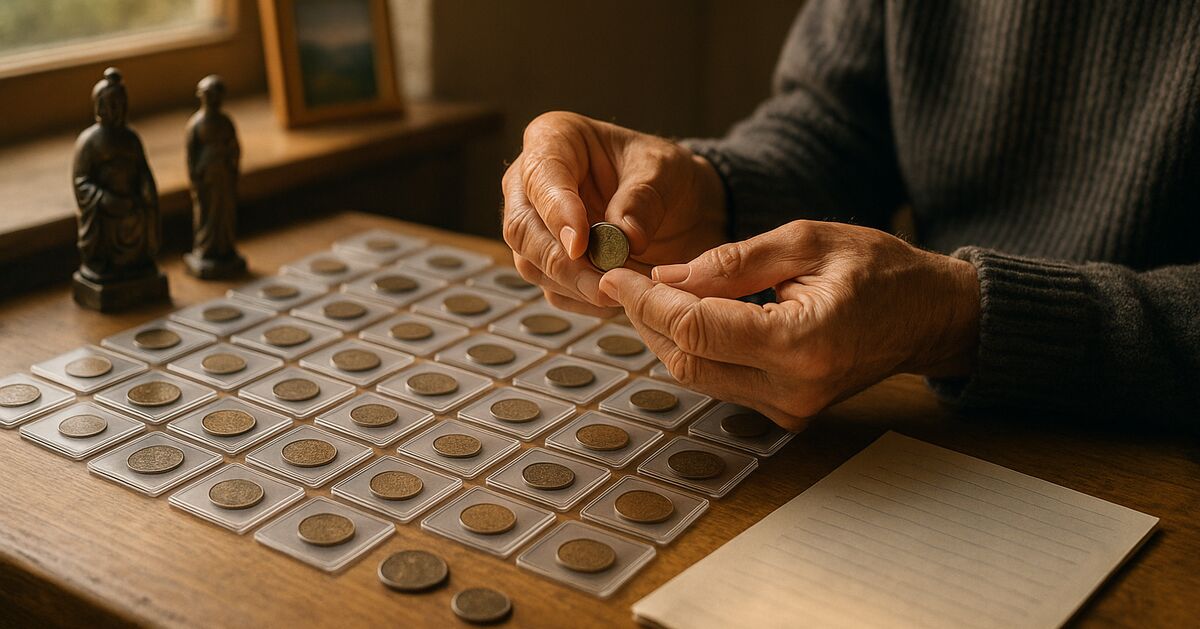
A coin collection tucked in a fireproof box, three oil paintings leaning against the garage wall, a curio cabinet packed with Hummel figurines, a shelf of signed baseball cards still in their original sleeves - these are not just possessions. They are decades of deliberate attention, money spent, and meaning made. When a Sarasota senior moves into assisted living or a smaller home, those collections suddenly become one of the most complicated parts of the entire process.
This post is for families who are staring at that collection and wondering: What is it actually worth? Who can we trust to tell us? And what do we do with it all when the new place simply does not have room?
Why collections are different from ordinary belongings
Most household items are easy to categorize. Furniture either fits or it does not. Clothes get donated or tossed. But collections exist in a different category because their value is almost never obvious from looking at them, and it almost never matches what the owner believes it to be.
That gap between perceived value and market value is the single biggest source of family conflict and financial disappointment during a senior move. A senior may have paid $4,000 for a painting at a gallery twenty years ago and reasonably believe it is worth more today. It might be. It might be worth a fraction of that. Without a qualified opinion, nobody in the family actually knows - and guessing leads to poor decisions in both directions.
Some families give away items that had real resale value. Others hold out for prices the market will never pay, stalling the entire move for months. Both mistakes are avoidable, but only if you approach the collection systematically and early.
The good news is that the Sarasota area has real resources for this. From certified appraisers serving Gulf Gate and Bee Ridge to auction specialists who regularly work with estates along Longboat Key and Casey Key, the support exists. You just need to know how to find and use it.
Step one: Inventory everything before anyone touches anything
Before a single item leaves the house, create a written and photographic inventory of every piece in every collection. This sounds tedious, and it is. Do it anyway.
Photograph each item from multiple angles in good natural light. Write down any markings, signatures, hallmarks, or certificates of authenticity that exist. Note where the item was purchased if your senior remembers, and pull out any original receipts, auction catalogs, or provenance documents that may be stored nearby.
This inventory serves several purposes at once. It protects against loss or damage during the move itself. It gives appraisers the information they need to work efficiently. It creates a record for insurance purposes. And it gives the family a clear shared picture of what actually exists - which matters enormously when siblings are involved in the decision-making.
If your senior has dementia or significant memory loss, the inventory becomes even more critical, because the stories behind the objects may be partially or fully lost. Our post on downsizing a senior with dementia: a compassionate guide for Sarasota families goes deeper on how to handle that particular situation with care.
Step two: Understand who can actually appraise what
Not every appraiser is qualified to value every type of collection. This is one of the most important things families get wrong. Here is a rough breakdown of who handles what:
- Coins and currency: Look for a member of the American Numismatic Association (ANA) or a dealer certified by the Professional Numismatists Guild (PNG). Coin values swing dramatically based on mint marks, condition grades, and current precious metal prices. A general estate appraiser is not the right person for a serious coin collection.
- Fine art: Seek an appraiser accredited by the American Society of Appraisers (ASA) or the Appraisers Association of America (AAA) with a specialty in fine art. Many art appraisers will do an initial consultation to determine whether a full formal appraisal is warranted, which can save families money on smaller collections.
- Antiques and furniture: ASA-accredited personal property appraisers with a furniture or decorative arts specialty are the right fit. Be aware that the antiques market has shifted considerably over the past decade. Victorian and ornate furniture that commanded high prices in the 1990s often sells for far less today. A current appraisal reflects today's market, not what a piece sold for at auction years ago.
- Sports memorabilia and trading cards: This is a specialized field. Grading companies like PSA (Professional Sports Authenticator) and Beckett are the standard for cards. For signed items, look for appraisers who work with third-party authentication services. Values here can vary wildly, and forgeries are common enough that authentication matters.
- Figurines and collectibles (Hummel, Lladro, Precious Moments, etc.): These are almost always worth less than seniors expect, because the secondary market flooded in the 1990s and early 2000s and never fully recovered. An honest appraiser will tell you this plainly. Many families are better served by finding buyers who genuinely love the pieces than by chasing prices that no longer exist.
- Vintage jewelry: A gemologist certified by the Gemological Institute of America (GIA) is the right person here. We cover jewelry specifically in our post on protecting valuables, jewelry, and documents during a Sarasota senior's move, which is worth reading alongside this one.
Ask any appraiser upfront about their credentials, their fee structure (flat fee vs. percentage of value - never hire one who charges a percentage, as it creates a conflict of interest), and their experience with your specific type of collection.
Step three: Separate appraising from selling
One of the most common mistakes families make is conflating the appraisal with the sale. They hire someone who offers to appraise and then purchase the collection, or they walk into a coin or antique shop looking for a valuation and receive an offer instead.
Those offers are not appraisals. They are purchase offers, and they are almost always below fair market value because the buyer needs room to make a profit. That is not dishonest - it is simply how the business works. But families who mistake a dealer's offer for an objective valuation often feel cheated afterward.
Get an independent appraisal first, from someone with no financial stake in acquiring the collection. Then, armed with that information, you can approach dealers, auction houses, consignment shops, or private buyers with realistic expectations and real negotiating knowledge.
Step four: Know your options for rehoming the collection
Once you have a realistic picture of what the collection is worth, you have several paths forward. The right one depends on the value, the time you have, and your senior's wishes.
Auction houses work well for higher-value items with broad collector appeal. Regional auction houses serving the Sarasota area handle estate collections regularly. For truly significant pieces, national auction houses may be appropriate. Expect to pay a seller's commission, typically in the range of ten to twenty-five percent, and build in time - a good auction house may not schedule your items for several months.
Consignment shops and dealers offer a middle ground. You leave the items, they sell them, and you receive a percentage of the sale price. This requires patience, as items sometimes sit for months before selling, but it can yield better prices than a quick sale to a dealer outright.
Online marketplaces like eBay, Ruby Lane, or specialized collector forums can reach buyers nationally and internationally. This approach requires effort: good photographs, accurate descriptions, secure packaging, and willingness to handle shipping. For families who have time and a tech-savvy member, it can be worthwhile. For families in the middle of a compressed move timeline, it is often impractical.
Private sales within collector communities can be excellent for niche collections. Coin clubs, art societies, and collector associations often have members actively looking for specific items. If your senior was part of any of these communities, those connections are worth pursuing.
Donation to museums, libraries, historical societies, or universities is worth exploring for items with local or historical significance. The Sarasota area has cultural institutions that may have genuine interest in relevant pieces. A charitable donation of appreciated property may also carry tax implications your senior's financial advisor should weigh in on - a good reason to loop in professionals early, as we discuss in our post on talking to your senior's doctor, attorney, and financial advisor before a move.
Family distribution is often the most meaningful option for items with sentimental value that exceed their market value. Walking through the collection with family members and letting people claim pieces they will genuinely cherish is often the right answer for figurines, family art, and memorabilia with personal history. Just make sure the process is transparent and that decisions are made before the move, not during the chaos of moving day.
How the timeline affects your options
Collections take more time to properly address than almost any other category of belongings. This is a hard truth that families often discover too late.
If you have six months or more before the move, you have real options. You can commission proper appraisals, approach auction houses with adequate lead time, list items online without rushing, and explore donation with institutions that have acquisition processes.
If you have six weeks, your options narrow. You may need to prioritize the highest-value items for proper appraisal and make quick decisions about the rest. An estate sale company can handle lower-value collectibles efficiently, though the prices realized will reflect the speed.
If you have days, you are in triage mode. Focus on securing anything that is genuinely valuable and irreplaceable. Get it out of the house and into a safe location while you figure out next steps. A rushed decision about a coin collection or an original painting is almost always a decision you will regret.
This is one of the reasons our senior move management team encourages families to start the process as early as possible. The communities in Lakewood Ranch, Fruitville, and Osprey often have estate resources close at hand, but even local resources need lead time to do their work well.
What a senior move manager actually does with collections
A senior move manager is not an appraiser or an auctioneer. But a good one has worked through enough Sarasota-area estates to know which local specialists to call, which estate sale companies treat collections with respect, and how to build a realistic plan around the timeline.
Practically speaking, a senior move manager can help your family by:
- Building the inventory alongside family members so nothing gets missed
- Identifying which items warrant professional appraisal and which do not
- Connecting you with vetted appraisers and estate specialists in the area
- Coordinating the timing so that appraisals, sales, and donations are completed before moving day
- Keeping the senior involved in decisions about their own collection in a way that feels dignified, not rushed
This kind of coordination matters more than most families expect. When you are also managing a senior's health appointments, researching new living arrangements, sorting through decades of paperwork, and keeping a family on the same page, having someone manage the collection logistics is often what keeps the whole process from collapsing under its own weight.
If you are not sure whether professional support makes sense for your situation, our frequently asked questions page addresses the most common questions families bring to us, and you are always welcome to reach out directly for a plain conversation about what you are facing.
Keeping the senior at the center
Collections are personal. A coin collection might represent forty years of weekend coin shows. A shelf of antique glassware might be the result of a lifetime of estate sale Saturdays. The art on the walls might include pieces purchased on trips your senior took with their late spouse.
Moving those objects out of the home can feel like erasing a life. It does not have to. The goal is not to liquidate - it is to make thoughtful decisions that reflect what actually matters. Some things will go to family. Some will go to buyers who will genuinely appreciate them. Some will come to the new home. And some, honestly, will go to the estate sale pile.
Done well, the process of sorting a collection can become something meaningful: a chance to share stories, to learn what a senior actually cares about most, and to make sure the pieces that matter most land somewhere good.
For more on the emotional dimension of this work, our post on how to downsize a lifetime of belongings when everything feels too important to let go may be worth reading with your family.
Whether you are working through a home in Gulf Gate, a waterfront property on Casey Key, or a retirement community in Lakewood Ranch, the process is the same: start early, get qualified opinions, separate appraising from selling, and keep the senior at the center of every decision. The collection took a lifetime to build. It deserves more than a last-minute scramble.