What to do with a Sarasota senior's car when they stop driving
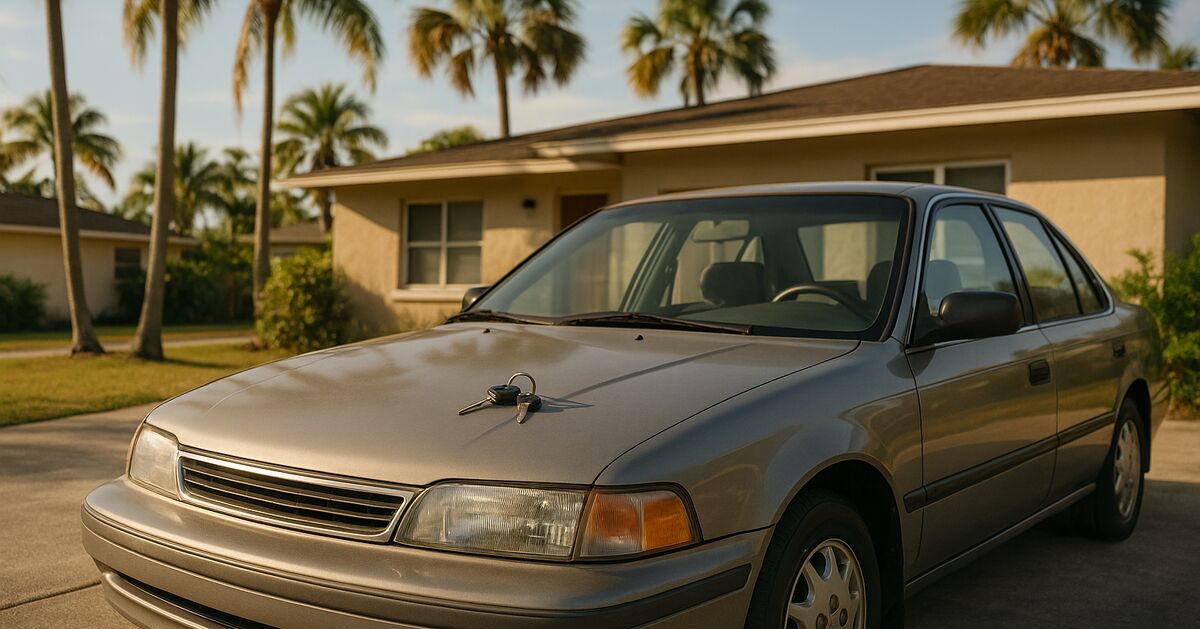
The car sitting in the driveway is often the last thing families think about during a senior move - and the first thing that causes an unexpected problem.
When a parent or grandparent moves to an assisted living community, a continuing care retirement campus, or a memory care facility in Sarasota County, the vehicle usually can't come along. Parking is limited, most communities provide transportation, and in many cases the senior has already stopped driving safely. But that car still has a title, still needs insurance, still may have a loan attached, and still carries a lot of emotional weight. Figuring out what to do with it is a real task that deserves real attention.
This guide walks through every realistic option, explains the tradeoffs honestly, and helps you avoid the small mistakes that turn a straightforward situation into a drawn-out headache.
Why the car question comes up right before the move
Most families dealing with a senior move are juggling a dozen urgent decisions at once - what furniture goes to the new room, what gets donated, what goes into storage, who gets the china. The car tends to get pushed to the back burner with a mental note of "we'll deal with that after."
The trouble is, after the move is exactly when no one has energy left. The senior is settling in, family members are flying home, and a vehicle sitting in a now-vacant house is racking up insurance premiums, possibly a storage or parking fee, and a slow loss of value from sitting idle.
If you're in the thick of planning a move right now, our senior move management team can help you build a realistic timeline that keeps tasks like this from falling through the cracks.
Option 1: Sell the car privately
A private sale typically nets the most money. In Sarasota County, used car demand is steady year-round because of the population size and the constant flow of new residents. A clean, well-maintained sedan or SUV that a retired couple drove locally will often attract buyers quickly.
What you need to do:
- Pull the title. If it's in the senior's name only and they still have legal capacity, they sign it. If there is a power of attorney in place that covers personal property, the agent may sign on their behalf, but check with your elder law attorney first - rules vary.
- Get a payoff figure if there's a loan. Most seniors own their vehicles outright, but not all.
- Have the vehicle inspected and detailed. A $150 detail job on a 2017 Camry can add several hundred dollars to the sale price.
- Price it honestly using a current market reference. The market shifts, so check a few current listings for comparable vehicles in the Sarasota area.
The downside of a private sale is time. It may take two to six weeks to find the right buyer, handle test drives, and complete the paperwork. If the move is imminent and the family is not local, this can be genuinely stressful.
Option 2: Sell or trade to a dealer
Dealers and car-buying services (the kind with online instant offers) are faster than private sales and require almost no logistics. You drop the car off, sign a few papers, and leave with a check or direct deposit.
The tradeoff is price. You will almost certainly receive less than a private sale would bring - sometimes meaningfully less. Whether that gap is worth your time and peace of mind is a judgment call that only your family can make.
One practical note: if another family member is planning to buy a vehicle anyway, a dealer trade-in applied to their purchase can sometimes close the price gap while keeping the transaction clean.
Option 3: Gift the car to a family member
This is the most common outcome when there is a family member who wants the vehicle. It is also the option most likely to create family friction if the process isn't handled cleanly.
A few things to do carefully:
- Put it in writing. Even in close families, document who receives the car, what the agreed value is (if any), and that the transfer is intentional. This matters for fairness among siblings and for the estate record.
- Handle the title transfer promptly. In Florida, you file a Notice of Sale with the DHSMV and the recipient applies for a new title. Leaving the title in the senior's name while someone else drives the car creates liability exposure for the senior (and later the estate).
- Address the gift tax question with your accountant. For most families, gifting a used car to a child is well below annual exclusion limits and triggers no practical tax consequence, but confirm this with your own advisor.
If siblings are already navigating some disagreement about belongings, it's worth reading our post on when siblings disagree on what to keep during a Sarasota senior's move before the car conversation happens at the kitchen table.
Option 4: Donate the car to charity
Florida has no shortage of reputable vehicle donation programs, and the process is genuinely straightforward. The charity arranges pickup, you sign the title over, and you receive a receipt for the fair market value of the vehicle for tax purposes - or the sale price if the charity sells it at auction.
Donating makes the most financial sense when:
- The car has meaningful value but the family doesn't want to deal with the logistics of selling
- The senior has a charity they care about and the donation feels meaningful to them
- The tax deduction is useful to the family's overall situation
Donating makes less sense when the car is worth enough that the difference between donation value and a real sale price is significant. A vehicle worth $12,000 privately that nets a $4,000 auction sale at charity is a $8,000 gap. That's a real tradeoff.
Option 5: Keep the car temporarily in the family's name
Sometimes a family decides to hold onto the car for a few months - perhaps while waiting to see how the senior adjusts, or while a family member visiting from out of town uses it during the transition. This is fine, but it comes with responsibilities:
- Keep the insurance active. A parked, uninsured car in Florida is still exposed to theft and storm damage. Comprehensive-only coverage while the car isn't being driven is available and inexpensive.
- Store it properly. Florida's sun, humidity, and salt air are genuinely hard on vehicles that sit. A shaded or indoor spot, a battery tender, and monthly tire pressure checks make a real difference.
- Set a decision deadline. "We'll figure it out later" can drift into two years of paying insurance on a car that ultimately sells for less because it sat. Give yourself a hard deadline of 90 days.
The emotional side of letting go of the car
For many seniors, the car is the last symbol of independence. Long before the move conversation began, the driving conversation may have already been painful. For a parent who drove themselves to church on Longboat Key every Sunday for thirty years, or who took their grandchildren to Siesta Key Beach in that old SUV, the car is not just a car.
Handle this with the same care you would any meaningful possession. Ask your senior if they want any say in where the car goes. Sometimes knowing that a grandchild will drive it, or that it will benefit a charity they love, makes letting go much easier. Sometimes they want to be the one to hand over the keys, literally, as a final act of choice.
This is the kind of detail that matters enormously in the moment and costs nothing to get right.
If you're still in the earlier stages of the move and wondering how to handle belongings generally, our post on how to downsize a lifetime of belongings when everything feels too important to let go covers that emotional terrain in depth.
Florida-specific details worth knowing
- Florida is a no-fault insurance state, which means certain coverage requirements apply. Once the car is sold or transferred, make sure you cancel or transfer the policy rather than just letting it lapse - a lapse can affect future rates.
- Florida title transfers happen at the county tax collector's office or online through the DHSMV portal. Sarasota County has offices in multiple locations and walk-in service, though appointments save time.
- Dealer/buyer plates: When you sell privately, the buyer will bring a temporary tag or their own plates. You keep your existing plate and can transfer it to another vehicle or surrender it for a prorated refund.
- Specialty plates: If the senior has a specialty plate (a veterans plate, a university plate, etc.), those do not transfer with the vehicle. Surrender them separately.
Who should actually handle this task
In an ideal world, one person takes ownership of the car decision and sees it through from start to finish. That is usually the family member with power of attorney, the one closest geographically, or whoever is most comfortable with logistics.
If the family is spread out - children in Atlanta, in Chicago, one local in Osprey or Fruitville - it is worth explicitly assigning this task rather than assuming someone else is handling it. Many of the families we work with across our Sarasota County service areas tell us afterward that the car was the one thing nobody realized was unresolved until weeks after the move.
A senior move manager won't handle the DMV paperwork or negotiate with a dealer, but we do flag these tasks early in the planning process so they land on someone's list with enough lead time to handle them without stress. That kind of coordination across every moving part of the transition is exactly what we do. You can read more about our approach on our home page or reach out directly if you'd like to talk through where your family stands.
A simple decision framework
If you're not sure where to start, use this order of questions:
- Does any family member want the car and can they use it? If yes, gift or sell it to them and handle the title transfer promptly.
- Does the family need cash from the vehicle? If yes, weigh private sale (more money, more time) against dealer sale (less money, less hassle).
- Is there a charity connection that would make the donation meaningful? If yes, and the financial gap is acceptable, donate.
- Is none of the above clear yet? Hold it for 60 to 90 days maximum, keep it insured, and set a firm decision date.
One last thing: the new community's transportation options
Before the car is gone, make sure you understand what your senior's new community actually offers. Most assisted living facilities in the Sarasota area provide scheduled transportation for medical appointments, shopping trips, and social outings. Some have van services that run on request.
Knowing what's available can ease anxiety for both the senior and the family. "You don't need a car because you'll have a ride whenever you need one" is a much more reassuring message than "the car is just too complicated to keep."
If you're still in the process of planning the full move and want a team that treats every detail - the car, the furniture, the sentimental items, the paperwork - with the same care, take a look at our frequently asked questions or reach out to us. We serve families throughout Sarasota County, from Bee Ridge and Gulf Gate to Lakewood Ranch, Englewood, and everywhere in between.
The car is just one piece of a complicated transition. Getting it right, cleanly and without drama, is one less thing your family has to carry.