What to do with a senior's boat or watercraft in Sarasota
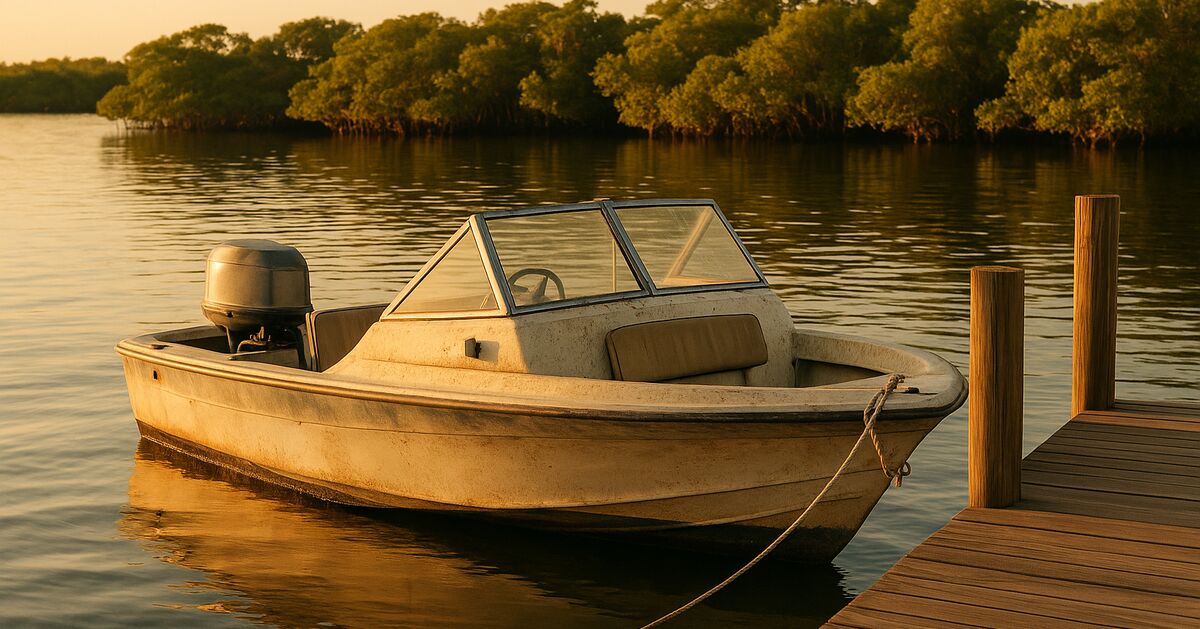
A boat sitting idle in a Longboat Key slip costs money every single month, and figuring out what to do with it is often the task a family dreads most when a senior can no longer safely get on the water.
This is understandable. For many seniors in Sarasota County, a boat is not just a piece of equipment. It is Saturday mornings on Sarasota Bay, fishing off the Casey Key bridge, watching the sun drop behind the Gulf from the flybridge. Letting it go feels like closing a chapter that nobody agreed to close. That emotional weight is real, and it deserves to be taken seriously, not rushed past.
But the practical side cannot wait forever. Between marina fees, insurance, registration renewals, maintenance, and the slow deterioration that happens to any vessel that sits unused in Florida's salt air and sun, delay has a real cost. This guide walks families through every realistic option, in plain language, so you can make a decision that respects both the sentiment and the situation.
Why watercraft are different from other belongings
When a senior stops driving, the car sits in the driveway and the main cost is insurance. When a senior can no longer use their boat, the costs multiply quickly. Marina or dry-storage fees in the Sarasota area often run several hundred dollars a month or more, depending on the size of the vessel and the facility. Add insurance (lenders and marinas typically require it), annual registration with the Florida Fish and Wildlife Conservation Commission, and routine maintenance to keep systems from seizing, and you may be looking at thousands of dollars a year for a boat that nobody is using.
There is also liability. A vessel registered in a senior's name is their legal responsibility. If it breaks loose from a dock in a storm, causes a fuel spill, or is involved in any incident on the water, the owner is exposed. Families sometimes discover, after the fact, that the insurance had lapsed because nobody noticed the renewal notice. That is a situation you want to avoid.
Finally, the Florida climate is hard on boats. Upholstery, canvas, belts, and rubber components degrade rapidly in heat and UV. A boat that is worth $40,000 today may be worth noticeably less in two years if it sits unused and unmaintained. Moving on this sooner rather than later almost always produces a better financial outcome.
The first step: know exactly what you have
Before you can decide what to do with a watercraft, you need a clear picture of what it is and what it is worth. Gather the following:
- The current title, which in Florida is issued by the Department of Highway Safety and Motor Vehicles (for vessels under 16 feet or non-motorized) or the U.S. Coast Guard (for documented vessels, typically larger motorized boats)
- Current registration documents from the Florida Fish and Wildlife Conservation Commission
- Any loan or lien documents (check whether a lender holds a lien on the vessel)
- Marina or dry-storage lease agreements, including notice requirements
- Insurance policy, including expiration date and coverage details
- A maintenance log or service records, if available
- Any trailer title, if the boat is trailerable
If the boat is Coast Guard documented rather than just state-titled, the transfer process is somewhat different and involves paperwork with the National Vessel Documentation Center. This is not complicated, but it does take longer than a standard state title transfer, and families are often surprised by it. Know which situation you are in before you start making promises to buyers.
Get a realistic value before making any decisions
The biggest mistake families make is accepting the first offer, or guessing at value, without doing any research. Marine values vary enormously depending on brand, age, engine hours, condition, and the current market.
Good starting points:
- NADA Guides for marine (nadaguides.com) gives baseline values by year, make, and model.
- BUCvalu is another marine-specific valuation tool used by dealers and lenders.
- Local listings on sites like Boat Trader or YachtWorld show what comparable boats are actually priced at in Florida.
- A local marine surveyor can provide a formal written survey, which is what serious buyers of larger vessels will request anyway. A survey typically costs a few hundred dollars and pays for itself by giving you credibility and a defensible asking price.
For jet skis and personal watercraft, values tend to be more straightforward. For larger vessels, especially anything with significant electronics, twin engines, or a tower, a marine survey is worth every penny.
Option 1: Sell it privately
Private sale usually produces the best net price, but it takes the most effort and time. You will need to:
- Clean and photograph the vessel thoroughly (interior, exterior, engine compartment, electronics)
- Gather all documentation
- List it on appropriate platforms (Boat Trader, Facebook Marketplace for smaller craft, YachtWorld for larger vessels)
- Be available to answer questions and show the boat
- Vet buyers and handle negotiations
- Transfer the title correctly at closing
The title transfer in Florida for a state-titled vessel requires the seller to complete the assignment section on the back of the title and sign it, with the buyer then applying for a new title through the county tax collector's office. If there is a lien, it must be released before or at the time of sale.
For families managing a senior's affairs from out of town, or who simply do not have the bandwidth for this process, private sale can feel overwhelming. That is a legitimate reason to explore other options even if they net slightly less money.
Option 2: Sell through a boat dealer or broker
Marine dealers and brokers handle the listing, showing, and paperwork for you. Brokers typically work on commission, often in the range of 10 percent for smaller vessels and somewhat less for larger ones. Dealers may offer to buy the boat outright at a wholesale price, which will be lower than retail, but provides a clean, quick transaction.
There are reputable marine dealers and brokers throughout the Sarasota area, from North Port up through Lakewood Ranch and along the waterfront communities of Lido Key and Longboat Key. Ask for references and check their standing with the Florida Yacht Brokers Association if you are working with a larger vessel.
A consignment arrangement with a broker is often a good middle ground: you retain ownership until it sells, the broker handles showings and marketing, and you pay only when the sale closes.
Option 3: Trade in or donate
If the vessel is older and the private sale market seems thin, two other options are worth considering.
Trade-in: If a family member wants to purchase a different boat, some dealers will apply the trade value of the senior's vessel toward the new purchase. This simplifies the transaction and avoids the open-market process entirely.
Donation: Several nonprofit organizations accept boat donations, including Boats4Kids and various sailing programs. The donor may be eligible for a charitable deduction based on the boat's fair market value, though IRS rules on vehicle and vessel donations are specific and you should confirm the tax treatment with a CPA before assuming a particular deduction. The organization will typically handle title transfer and pickup.
Donation works best when the boat has some remaining usable value but is not worth the time and effort of a private sale. A boat that is in poor condition may not be accepted by donation programs and may end up being a liability rather than a benefit.
Option 4: Transfer to a family member
Sometimes the simplest answer is that a son, daughter, or grandchild would genuinely love to have the boat. If the family agrees and the senior is willing, a transfer by gift is straightforward: the title is signed over, the new owner pays applicable sales tax when they register it, and the vessel stays in the family.
A few things to think through carefully:
- Is the family member actually going to use it, or will it just sit in their driveway and cause the same problem in a few years?
- Are there other heirs or family members who might feel the transfer was unfair?
- If the senior is transferring assets while applying for Medicaid, gifts of significant value can affect eligibility. This is a question for an elder law attorney, not something to assume away.
If you are navigating any of the legal or financial complexity around a senior's transition, our frequently asked questions page covers some of the broader questions families encounter, and we are always happy to talk through specifics.
What to do with the slip, dock, or storage contract
Do not forget the marina relationship. Whether your senior rents a wet slip, dry storage, or keeps the boat on a private dock at a home on Osprey or Nokomis, there is almost certainly a contract involved.
Wet slip leases at Sarasota-area marinas often have waiting lists for available slips, which means a slip can have real value as a transferable asset in some cases, or at minimum requires proper notice to terminate. Review the lease carefully for notice periods (commonly 30 to 60 days) and any penalties for early termination.
If the boat is at a home that is being sold, the dock and lift usually convey with the property. Buyers of waterfront homes in communities like Casey Key or Laurel often view the dock and lift as significant selling features, so coordinate the boat removal timing carefully with the real estate process. Our post on selling a waterfront home on Longboat Key or Casey Key without rushing and losing money goes into the real estate side of this in much more detail.
Handling the emotional side with your senior
It bears repeating: for many seniors in this area, the boat is not just a boat. This is especially true for those who have lived on or near the water for decades, from Gulf Gate to Englewood to the barrier islands. Treat the conversation the way you would treat any significant loss, because that is what it often feels like.
A few things that help:
- Let the senior lead the conversation about timing and options wherever possible. When people feel some control over the process, it goes better.
- Acknowledge the history out loud. "This boat has meant so much to you" is worth saying, even if it seems obvious.
- Consider whether a final outing on the water, with family along, might be meaningful before the boat is sold. If health and conditions allow, this kind of farewell can bring real closure.
- Ask whether there are photos, logbooks, or small items from the boat that the senior would like to keep. A compass, a favorite lure, a framed photo from a memorable trip, these things cost nothing to preserve and mean a great deal.
If you are also navigating other aspects of a senior's transition at the same time, we work alongside families all across the region, from senior move management in Lakewood Ranch to senior move management in Englewood, and we understand that the boat is often just one of many things pulling a family's attention at once.
The paperwork checklist before you close any deal
Whatever option you choose, make sure these items are handled before the transaction is final:
- Title is clear of any liens
- Florida registration is current (expired registration is the seller's problem to resolve first)
- Insurance is maintained until the moment of transfer, then canceled to avoid future billing
- Marina or storage lease is formally terminated with written notice
- Any trailer is titled and transferred separately (in Florida, trailers have their own title)
- If the vessel is Coast Guard documented, the Bill of Sale and related forms are filed with the NVDC
- The senior's name is removed from any fuel accounts, club memberships, or mooring associations tied to the boat
Skipping any of these steps can create headaches months later. A bill for marina fees addressed to a senior who no longer owns the boat, or a registration renewal that triggers a fine, is the kind of loose end that is entirely avoidable.
How a senior move manager can help
You might not immediately think of a senior move manager when you think about selling a boat, but the reality is that watercraft are often part of a much larger transition. A family helping a senior in Gulf Gate or Fruitville move to an assisted living community is also sorting through decades of belongings, coordinating real estate, and managing timelines, all at once.
A senior move manager does not sell boats, but they do help families see the whole picture, prioritize what needs attention and when, and connect with the right local resources. If you are dealing with a watercraft and also a home full of belongings, a car, a storage unit, and a move to a new community, having one coordinating presence makes the whole process less chaotic.
You can read more about what we do and how we work, or explore all of our service areas to see whether we cover the community your family is in. And if you are ready to talk through your situation, the best next step is simply to get in touch.
The boat may be a complicated thing to let go of. But with the right information and a clear plan, families get through it, and often find that the process of honoring what it meant is as important as the logistics of transferring it.